Pelican Point Kayaking
Planning Guide

Pelican Point Kayaking Namibia

Pelican Point sits at the tip of a sand spit twenty kilometers from Walvis Bay, accessible only by 4×4 or boat, where Cape fur seals outnumber visitors by the thousand. Tours launch from the harbor and bring paddlers within arm's reach of the colony. This guide covers the logistics, the wildlife encounters, and the practicalities of a morning on the Atlantic.

8 min read Updated 2026-08-19 Fact-checked
Pelican Point Kayaking Namibia

Quick answer

Pelican Point kayaking namibia operates daily from 08:00 to 12:30, with tours departing Walvis Bay harbor as scheduled morning excursions. There is no entrance fee for the peninsula itself; tour costs cover transport, equipment, and guide services. The experience centers on paddling alongside Cape fur seals in shallow coastal waters, with departures timed to the tide and weather conditions that define the Skeleton Coast.

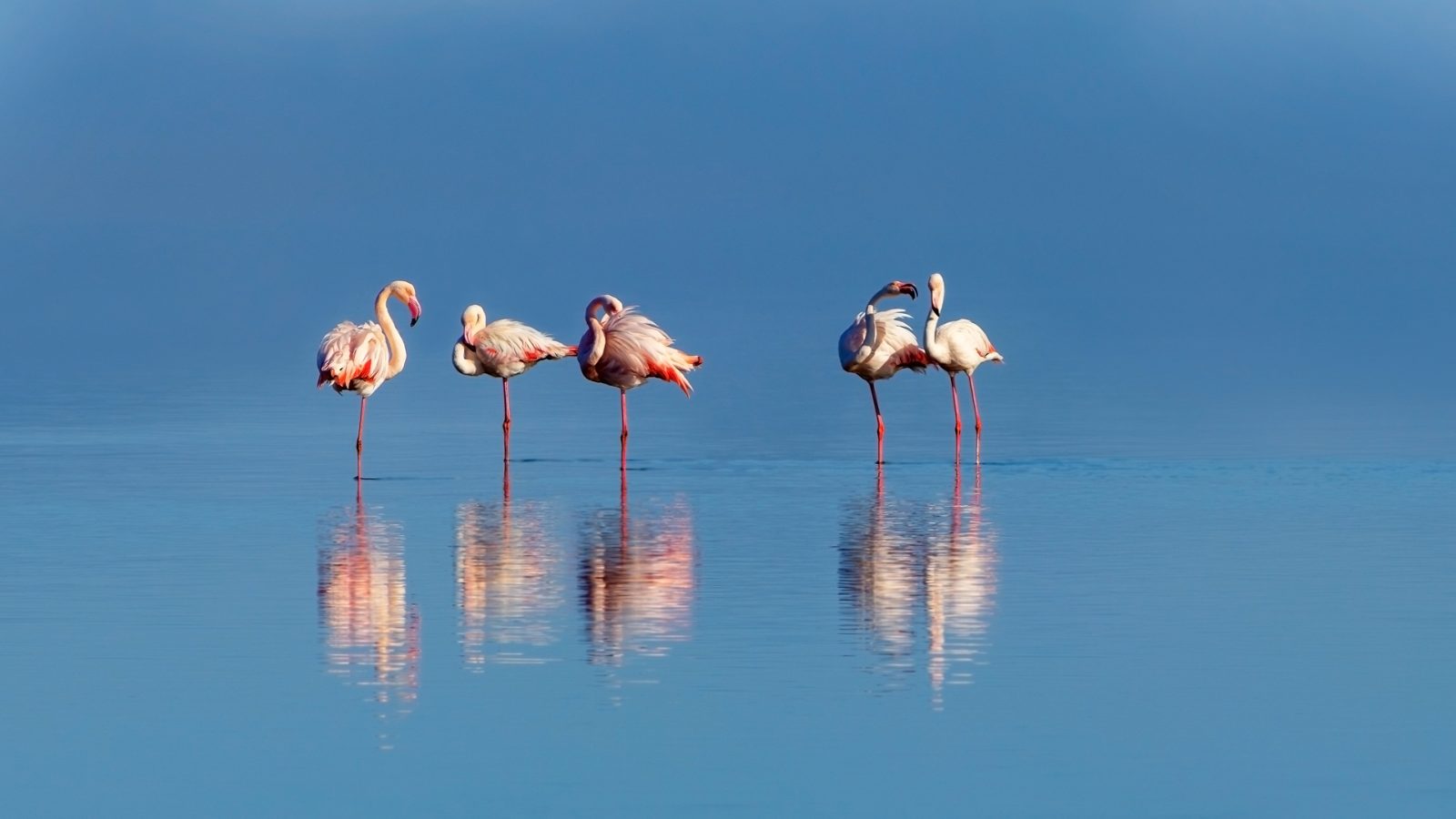
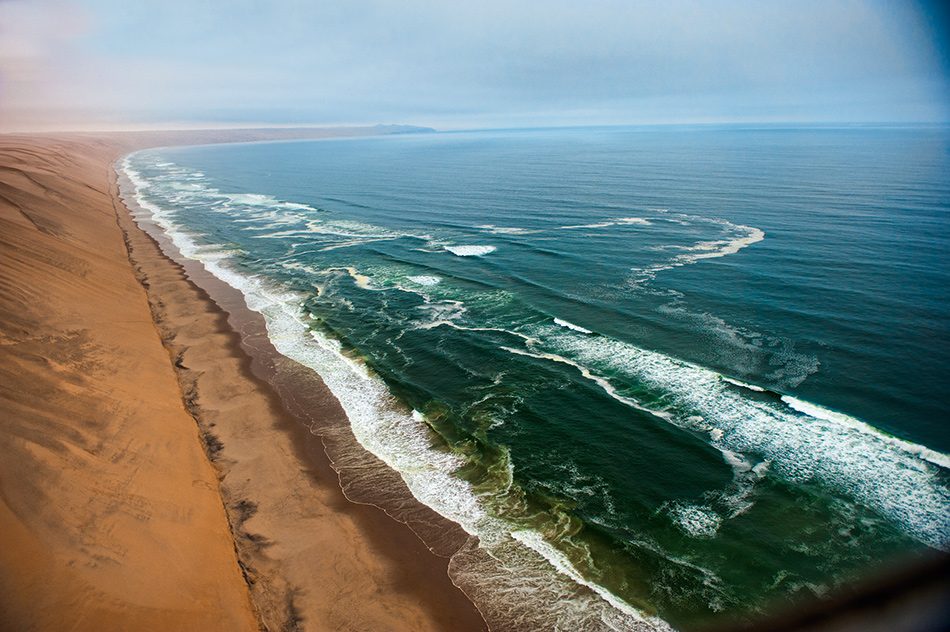
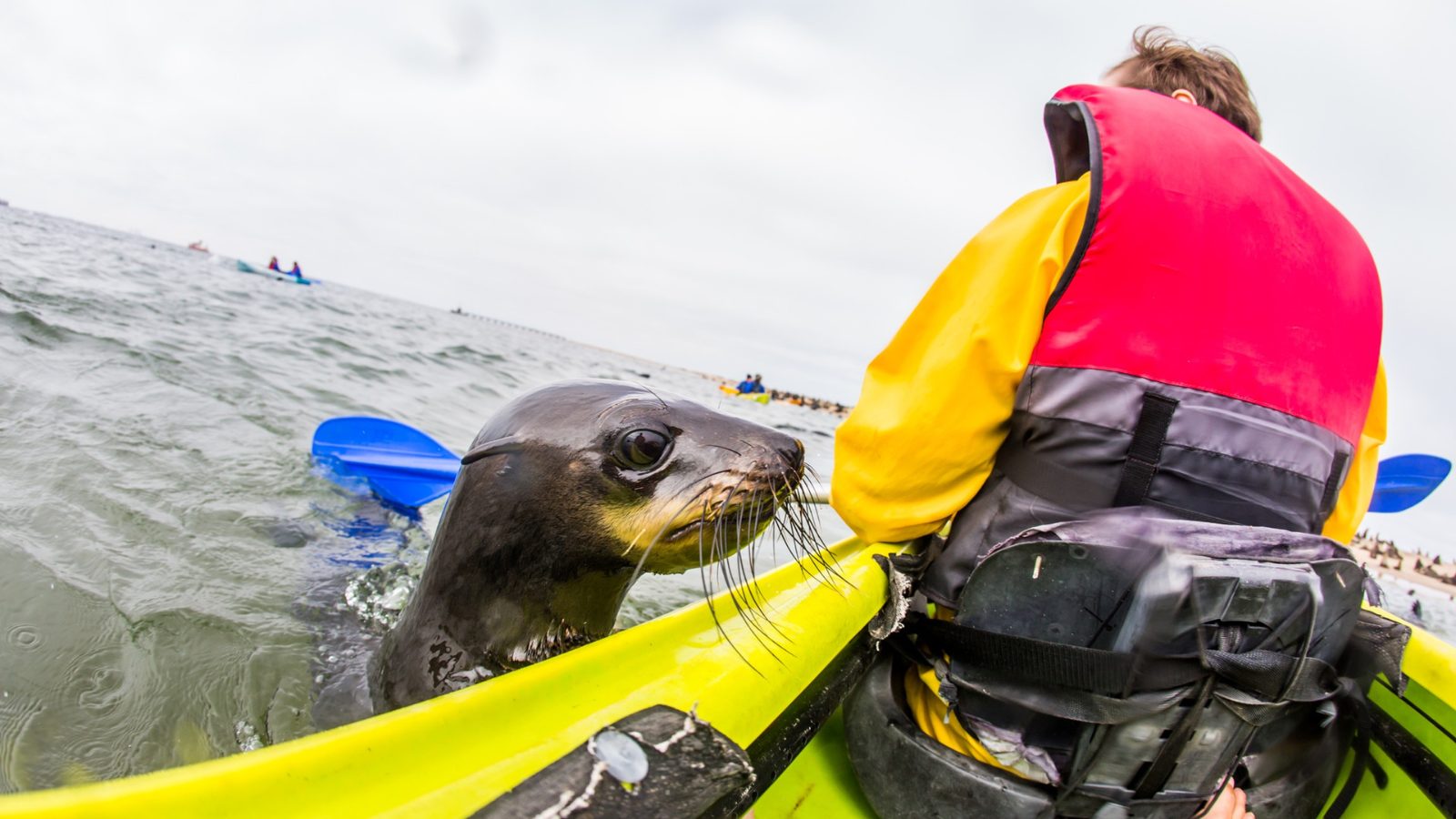
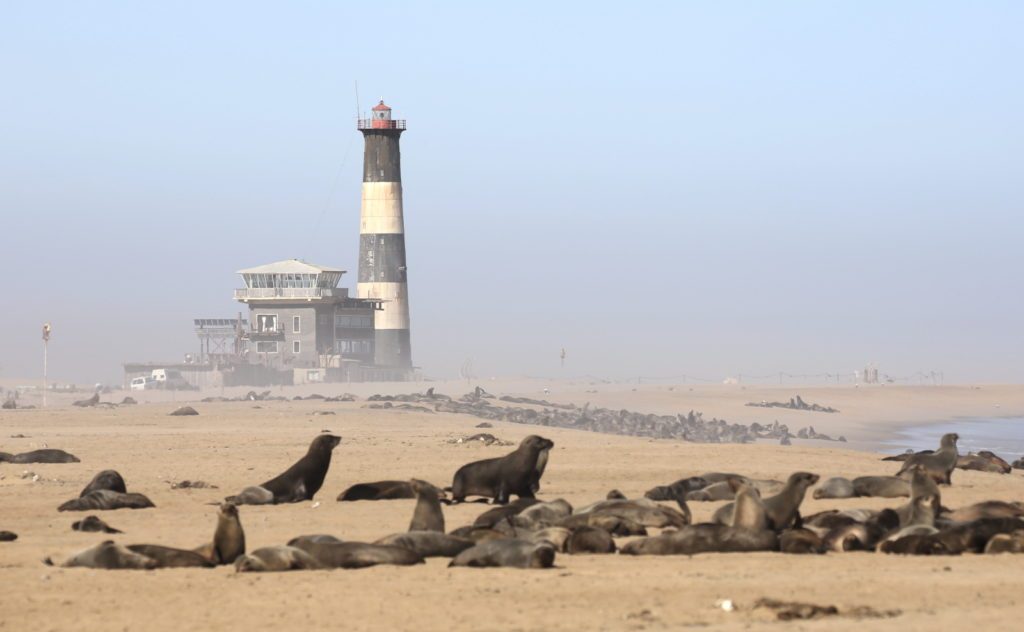
The sand spit that forms Pelican Point is one of southern Africa's longest natural peninsulas, a narrow thread of dunes separating Walvis Bay lagoon from the open Atlantic. At its western tip, a 1932 lighthouse marks the edge of a Cape fur seal colony that numbers in the tens of thousands during breeding season. Kayak tours reach the site by launching from the Walvis Bay waterfront and crossing the lagoon, then rounding the point where the seals haul out on rocks and sandbars within paddle's reach. The marine environment here is shaped by the Benguela Current, which pulls cold, nutrient-rich water north from Antarctica and sustains one of the world's most productive fishing grounds. The seals follow the sardine and anchovy shoals that move through the bay, and flamingos wade the shallows where the lagoon meets the incoming tide. Paddlers share the water with both—seal pups approach the kayaks out of curiosity, while adult seals patrol the deeper channels hunting for fish. Pelican point kayaking namibia is run by operators who provide sit-on-top kayaks, spray gear, and local guides familiar with the tidal windows that make the crossing safe. The outbound leg covers roughly six kilometers, with a landing at the lighthouse for a brief walk among the dunes and the colony before the return paddle. Wind is the governing variable: mornings are calmer, and tours are postponed or rerouted when swells exceed safe limits for novice paddlers. The harbor departure point sits within walking distance of the Walvis Bay town center, and most operators include shuttle pickup from Swakopmund hotels forty minutes to the north. The route itself is flat water until the point, where swells pick up and seals become more active. No prior kayaking experience is required, but a baseline level of fitness and comfort in open water is assumed. Wetsuits are provided year-round—even in Namibian summer, the Benguela keeps the Atlantic cold. The peninsula remains one of the few places along the Skeleton Coast where wildlife encounters happen at eye level, without fences or observation decks. The seals are habituated to kayaks but not tame, and the boundary between curiosity and caution shifts with each group. That proximity is what defines the experience: not a distant sighting, but a shared stretch of water where the colony's daily routines continue uninterrupted.

“The seals are habituated to kayaks but not tame, and the boundary between curiosity and caution shifts with each group.”
Timing

Best Time for Pelican Point Kayaking Namibia

The optimal time to experience Pelican Point is during the early morning hours, which offer the calmest water conditions and highest seal activity. Planning your visit between the shoulder months provides a balance of mild temperatures and predictable coastal conditions.

Morning hours

Minimal

Waters are calmest, allowing for better interaction with the seal colonies.

September to November

Low

Mild temperatures averaging 15°C to 20°C

Spring brings stable weather and active wildlife along the peninsula.

March to May

Moderate

Pleasant with light breezes 16°C to 22°C

Clear skies and moderate winds create favorable kayaking conditions.

Verdict: The best time to visit is during the morning departure window in the shoulder months of September or April to maximize water calm and wildlife visibility.

Opening hours

Pelican Point Kayaking Namibia Opening Hours

Pelican Point Kayaking Namibia maintains a consistent schedule throughout the week to facilitate guided tours on the peninsula.

monday
08:00–12:30
tuesday
08:00–12:30
wednesday
08:00–12:30
thursday
08:00–12:30
friday
08:00–12:30
saturday
08:00–12:30
sunday
08:00–12:30
Tours operate as scheduled morning departures, with the facility closing at 12:30 daily.
Directions

Getting to Pelican Point Kayaking Namibia

Pelican Point Peninsula is located on a remote sand spit across the bay from Walvis Bay, Namibia. Access requires a high-clearance 4x4 vehicle as the route consists of soft sand, so most visitors utilize organized tour transport.

Car 45-60 min

Follow the C13 coastal road towards the Pelican Point Peninsula

Tour Vehicle 45-60 min

Depart from Walvis Bay via pre-arranged tour transfer

Tours typically operate as a scheduled morning departure from Walvis Bay, and guests should adhere to the best arrival window of 08:00–08:00 to ensure transit to the kayaking site.

Checklist

Preparation Checklist for Pelican Point Kayaking Namibia

A few practical steps will ensure you're ready for your morning kayak tour on the peninsula.

What to see

What to See During Pelican Point Kayaking Namibia

The Pelican Point Peninsula offers a unique landscape where the Atlantic Ocean meets the Namib Desert, creating a distinct habitat for marine life and historical landmarks. Visitors encounter a coastal environment shaped by both historical maritime activity and concentrated animal colonies.

Cape Fur Seal Colony

Cape Fur Seal Colony

The peninsula hosts a large resident colony of Cape fur seals that frequently interact with kayakers in the calm waters. Observe these marine mammals from the water level as they swim and play near the kayaks.

Keep a steady pace to encourage curious seals to approach safely.
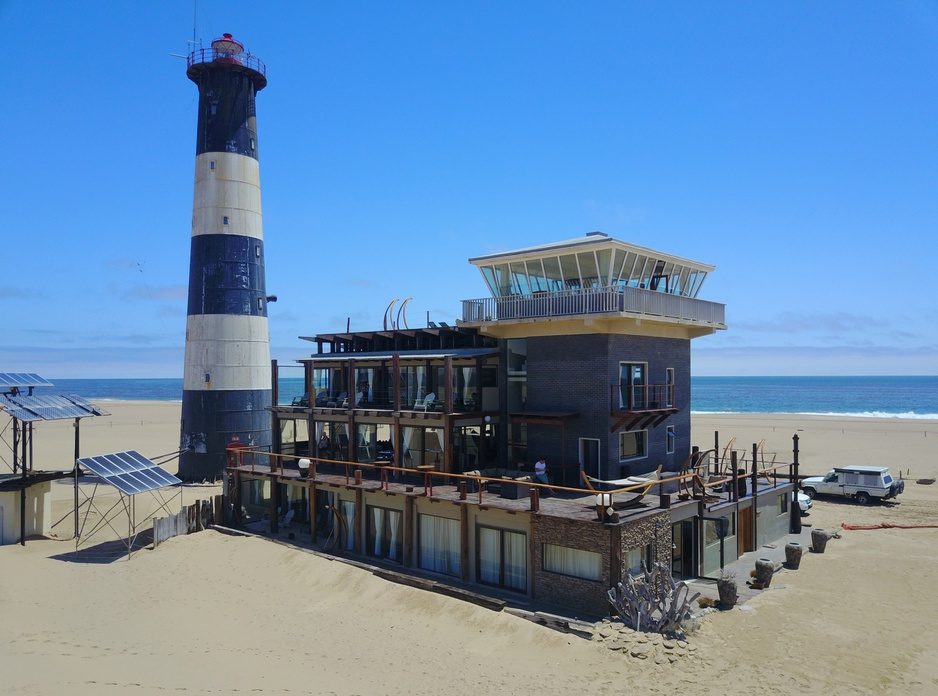
Pelican Point Lighthouse

Pelican Point Lighthouse

This historic 1915 lighthouse stands as a landmark on the sandy spit, marking the entrance to Walvis Bay. While the structure is primarily viewed from the water, it serves as a central orientation point for the area.

View the structure from the water to appreciate its scale.

Walvis Bay Lagoon Edge

Walvis Bay Lagoon Edge

The sheltered waters surrounding the peninsula provide a sanctuary for various coastal bird species, including flamingos and pelicans. Quiet paddling allows for closer observation of these birds in their natural foraging grounds.

Remain silent to observe bird behavior without causing disturbance.

Atlantic Ocean Surf

Atlantic Ocean Surf

The kayaking route explores the interface between the open ocean and the sheltered lagoon side of the peninsula. This contrast highlights the physical forces shaping the Namibian coastline.

Watch the waves breaking against the sandbar at a distance.

Book

Check availability

Frequently asked

Frequently Asked Questions About Pelican Point Kayaking Namibia

Everything you need to know about pelican point kayaking namibia

Is pelican point kayaking namibia suitable for beginners?

Yes, the tours are designed for participants of all skill levels, including beginners. Experienced guides provide basic instruction and safety briefings before you enter the water to interact with the seal colony.

What is the best time to start my pelican point kayaking namibia trip?

Tours typically operate as a scheduled morning departure from Walvis Bay, so the best arrival window is 08:00–08:00. This ensures you arrive in time for the group briefing and equipment setup.

Do I need to pay an entrance fee for the Walvis Bay lagoon area?

There is 0 NAD entrance fee for the site itself. Your tour costs cover all necessary access fees to the peninsula, so you do not need to pay extra at the gate.

Are children allowed on the Walvis Bay seal tours?

Children are generally welcome to join the adventure, provided they meet the minimum age or weight requirements set by the operator. It is best to verify specific child policies through the booking portal before finalizing your plans.

What should I bring for my pelican point kayaking namibia excursion?

You should come prepared with sun protection, a warm jacket for the chilly ocean breeze, and a camera to capture the wildlife. The operators provide the necessary kayaking gear, but personal comfort items are essential for the morning paddle.

How do I get to the launch site for pelican point kayaking namibia?

The launch site is located at Pelican Point Peninsula, Walvis Bay, Namibia. Most visitors arrive via organized tour transport from Walvis Bay to reach this remote sandspit safely.

Keep reading

More guides & pages